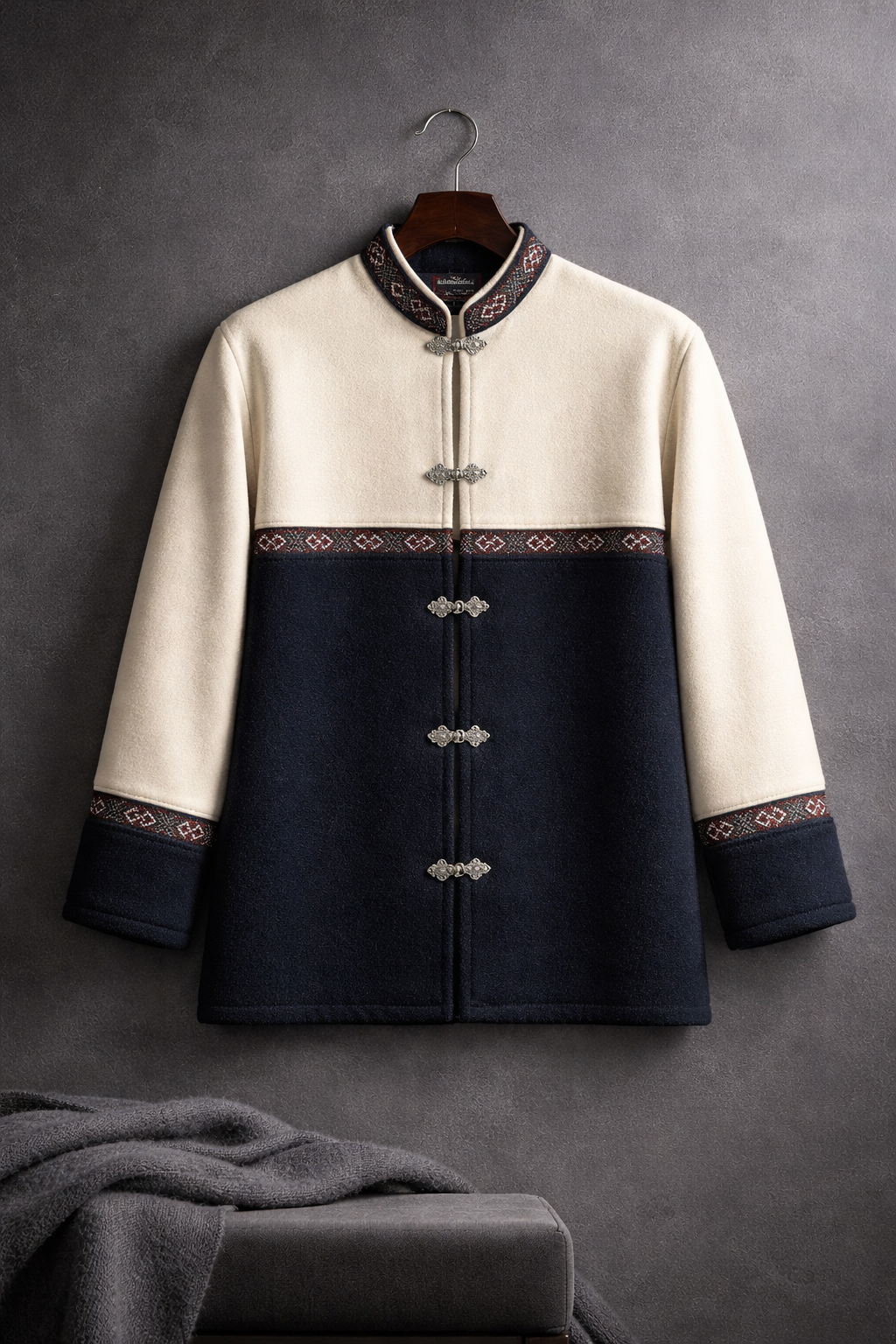
Devold Langevag - Norge Wool Lusekofte
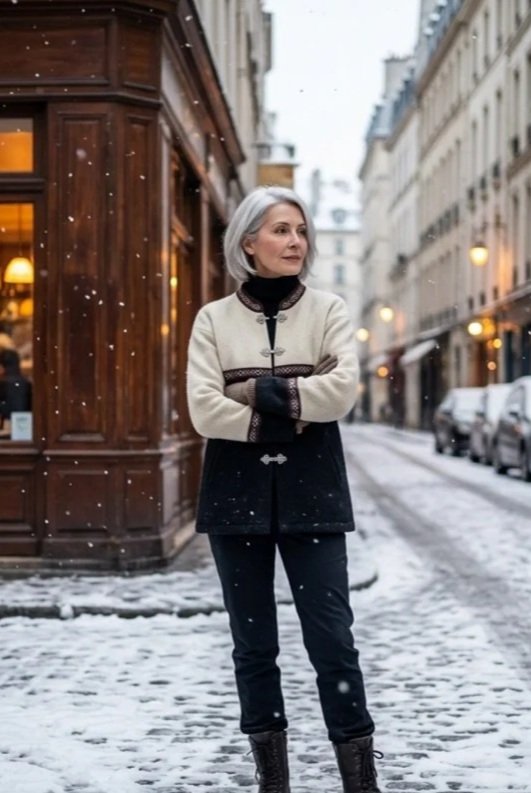
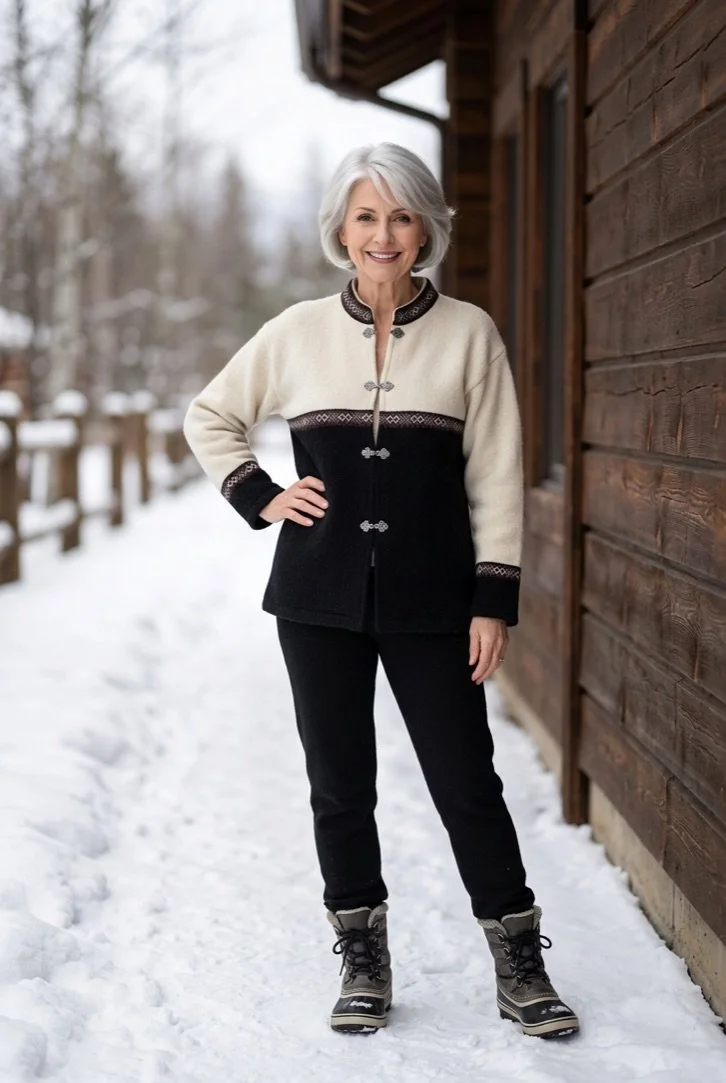

Devold Langevag - Norge Wool Lusekofte
An item from Devold Langevåg refers to a garment made by the Norwegian wool company Devold, which was historically produced in the coastal town of Langevåg, Norway, known for high-quality traditional wool clothing.
Devold is a historic Norwegian company founded in 1853. It is one of the oldest producers of wool garments and knitwear, especially known for sweaters, fishermen’s clothing, and thermal base layers made from Norwegian wool. Devold garments were originally designed to keep sailors, fishermen, and Arctic explorers warm in harsh Nordic weather.
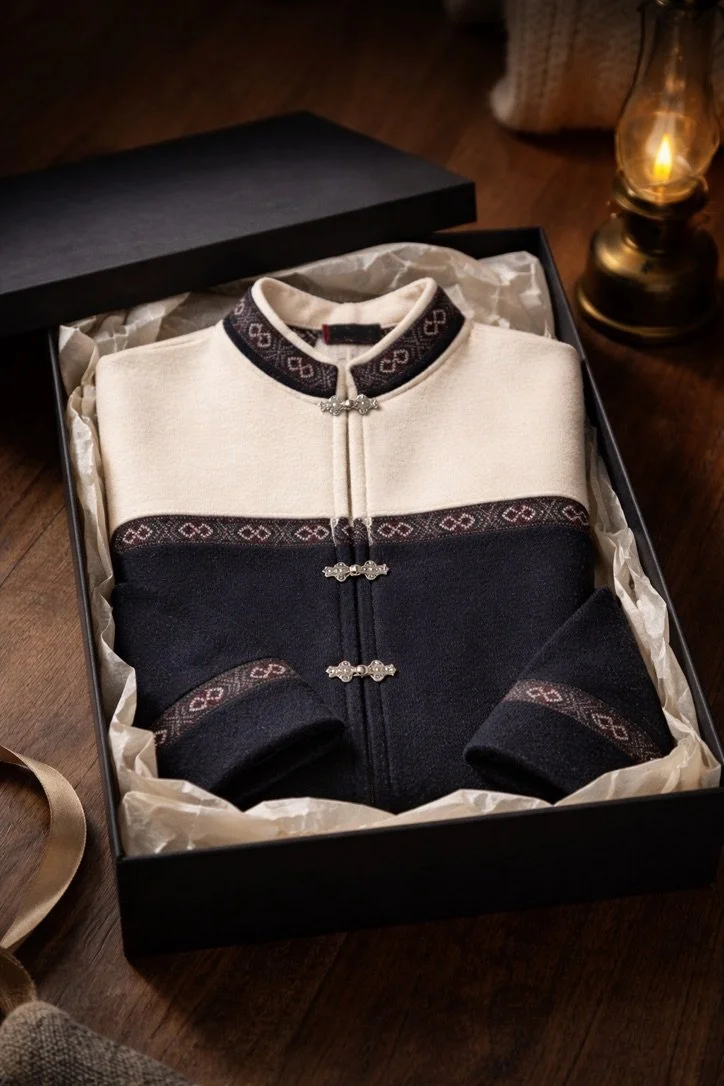
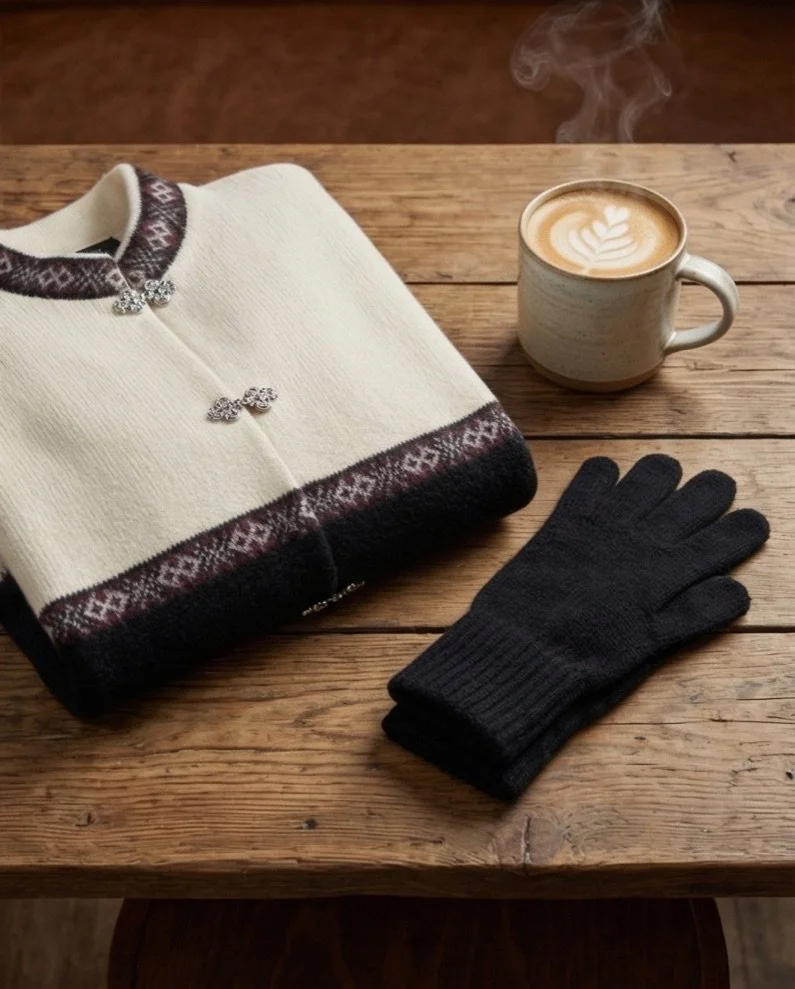
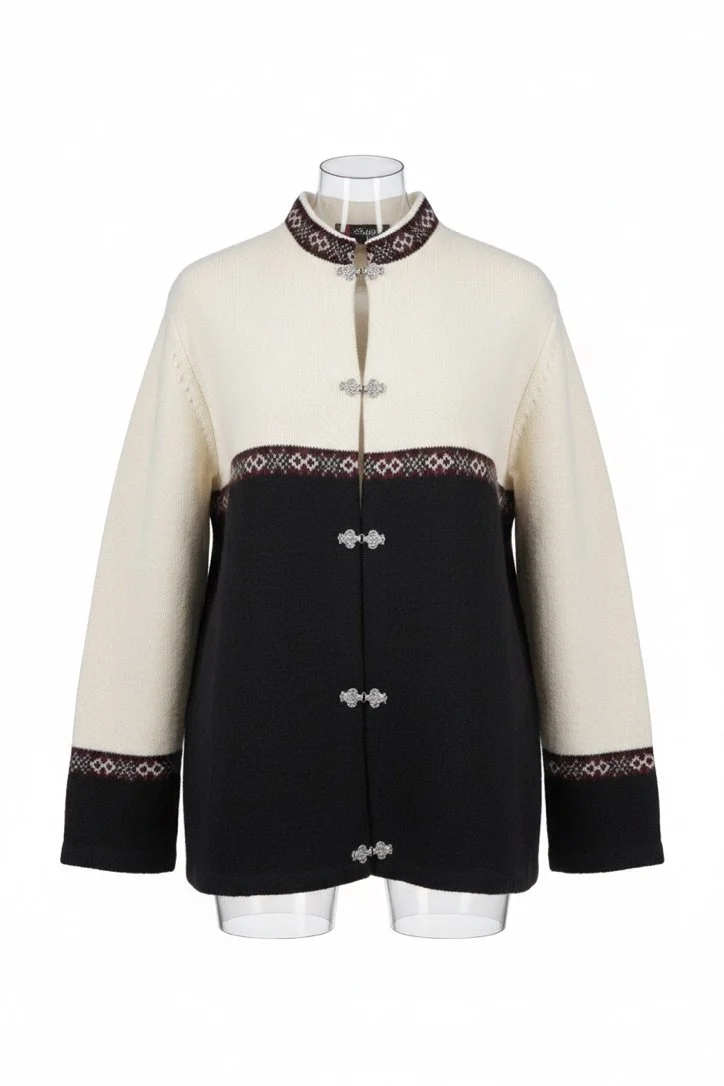
Inspired by centuries of Scandinavian tradition, this handcrafted Norwegian coat known as a Lusekofte, reflects the rich heritage of Nordic craftsmanship. Garments like this draw influence from traditional Norwegian knitwear, where artisans used high-quality wool and natural materials to create warm, durable clothing suited for harsh winters. The intricate patterns often represent regional identity and cultural storytelling, passed down through generations. Today, these designs blend historic artistry with modern style, making the coat both a functional cold-weather piece and a timeless expression of Norwegian design.
Lusekofte originated in the Setesdal Valley of southern Norway in the 19th century. It was originally a practical wool work garment worn by farmers, fishermen, and rural families who needed warm, durable clothing for harsh Nordic winters. The garments were typically hand-knitted from locally spun sheep’s wool, which provided excellent insulation even in damp conditions.
The Meaning of the Patterns
The small geometric motifs often seen in these sweaters are called “lice patterns” (lus) — tiny repeated stitches that look like dots across the fabric. Despite the name, they symbolize protection and continuity, and the patterns were believed to help strengthen the garment structurally while also creating visual identity.
Different valleys and villages in Norway developed their own distinct pattern arrangements, which could subtly indicate where the wearer was from.
Traditional Closures
Many classic Norwegian cardigans feature decorative metal clasps, usually made from pewter or silver, similar to the ones on your coat. These were inspired by the silver jewelry worn with the Norwegian bunad (traditional national costume). The clasps were not only decorative but also allowed the heavy wool garment to close securely.
Evolution into Modern Fashion
While originally workwear, Norwegian patterned sweaters became internationally famous in the early 20th century. By the 1950s and 1960s they were widely exported and worn as luxury winterwear, especially after appearing in skiing culture and Nordic tourism imagery.
Today garments inspired by the Setesdal Lusekofte are still produced by Norwegian brands and artisans, combining traditional knitting motifs, natural wool, and heritage metal closures with contemporary silhouettes—like the elegant coat you’re describing.
Cultural Significance
These garments represent more than winter clothing. In Norway they symbolize:
• Regional identity
• Generational craftsmanship
• Connection to Nordic nature and climate
• Traditional textile heritage
Size: Large